

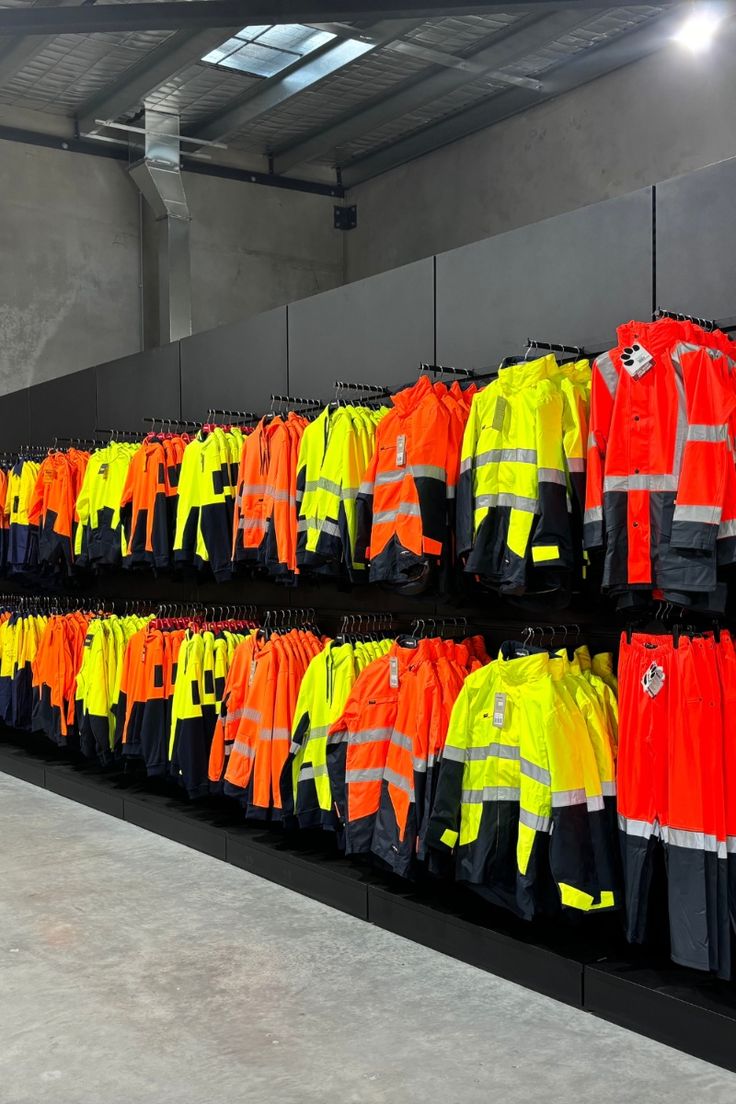
In today’s fast-paced industrial and construction environments, worker safety is no longer optional; it’s a fundamental responsibility. Among the most critical pieces of personal protective equipment (PPE), safety jackets play a vital role in keeping workers visible, protected, and compliant with safety regulations.
From busy roadways and construction sites to warehouses and outdoor job locations, a high-quality safety jacket can mean the difference between a safe workday and a serious accident.
This guest post explores why safety jackets are essential, the types available, key features to look for, and how they contribute to a safer and more productive workforce.
Why Safety Jackets Are So Important
Worksites are often filled with moving vehicles, heavy machinery, poor lighting, and unpredictable weather conditions. Safety jackets are designed to address these challenges by improving visibility, weather protection, and overall safety compliance.
High-visibility safety jackets use fluorescent colors such as yellow, orange, or lime green, combined with reflective tape, to ensure workers are easily seen from a distance. This is especially critical in low-light environments, early morning shifts, nighttime operations, or adverse weather like fog and rain.
Beyond visibility, safety jackets also provide insulation, wind resistance, and water protection, helping workers stay comfortable and focused throughout their shift.
Industries That Rely on Safety Jackets
Safety jackets are widely used across multiple industries, including:
- Construction and infrastructure projects
- Roadwork and traffic control
- Warehousing and logistics
- Manufacturing and industrial plants
- Railways and airports
- Utilities and maintenance services
- Emergency response and public safety
In each of these sectors, safety jackets are not just recommended—they are often mandatory under workplace safety standards.
Types of Safety Jackets
Choosing the right safety jacket depends on the work environment, climate, and required level of protection. Some of the most common types include:
High-Visibility Safety Jackets
These jackets are designed primarily for visibility and are commonly worn in construction zones and roadside work. They typically meet ANSI or ISO visibility standards and feature reflective strips for maximum visibility.
Waterproof and Rain Safety Jackets
Ideal for outdoor work, these jackets protect workers from rain and moisture while maintaining high visibility. Many are made with breathable yet waterproof materials to prevent overheating.
Insulated Safety Jackets
For cold weather environments, insulated safety jackets provide warmth without restricting movement. These are commonly used in winter construction, mining, and outdoor utility work.
Flame-Resistant Safety Jackets
Used in oil and gas, electrical, and welding environments, flame-resistant jackets protect workers from heat, sparks, and fire hazards while still offering high visibility.
Key Features to Look for in Safety Jackets
Not all safety jackets are created equal. When selecting the right jacket, consider the following features:
High-Visibility Colors and Reflective Tape
Look for bright fluorescent colors combined with wide, durable reflective strips that remain effective even after repeated washing.
Compliance with Safety Standards
Ensure the jacket meets recognized safety standards such as ANSI/ISEA or EN ISO certifications, depending on regional requirements.
Weather Protection
Waterproof coatings, windproof fabrics, and breathable linings help workers stay dry and comfortable in changing conditions.
Durability and Fabric Quality
Heavy-duty fabrics, reinforced seams, and high-quality zippers ensure the jacket withstands harsh work environments.
Comfort and Fit
A well-fitting safety jacket allows freedom of movement and can be worn comfortably over other layers without feeling bulky.
Safety Jackets and Workplace Compliance
Employers have a legal and ethical responsibility to provide appropriate PPE. Safety jackets help organizations meet occupational safety regulations and reduce liability risks. Providing certified safety jackets not only ensures compliance but also demonstrates a company’s commitment to worker well-being.
Workers who feel protected are more confident and productive, which ultimately leads to fewer accidents, reduced downtime, and lower operational costs.
The Role of Safety Jackets in Accident Prevention
Many workplace accidents occur simply because workers are not visible to equipment operators or passing vehicles. Safety jackets significantly reduce this risk by making workers stand out in their surroundings.
Studies consistently show that high-visibility clothing lowers the likelihood of struck-by incidents, one of the leading causes of workplace injuries in construction and roadwork environments. Investing in quality safety jackets is a proactive step toward accident prevention.
Choosing the Right Safety Jacket for Your Team
When selecting safety jackets for your workforce, consider:
- Work environment: Indoor vs. outdoor, day vs. night
- Weather conditions: Rain, cold, heat, or wind exposure
- Hazard level: Traffic, machinery, fire, or electrical risks
- Comfort needs: Breathability, weight, and flexibility
Providing the right safety jacket for the job ensures maximum protection and long-term usability.
Conclusion
Safety jackets are far more than just an outer layer; they are a critical component of workplace safety. By enhancing visibility, protecting against weather conditions, and ensuring compliance with safety standards, safety jackets help save lives and prevent injuries across a wide range of industries.
For employers and workers alike, investing in high-quality safety jackets is an investment in safety, productivity, and peace of mind. Whether on a busy construction site, a dark roadway, or an industrial facility, the right safety jacket ensures workers are seen, protected, and ready to perform their jobs safely every day.
