

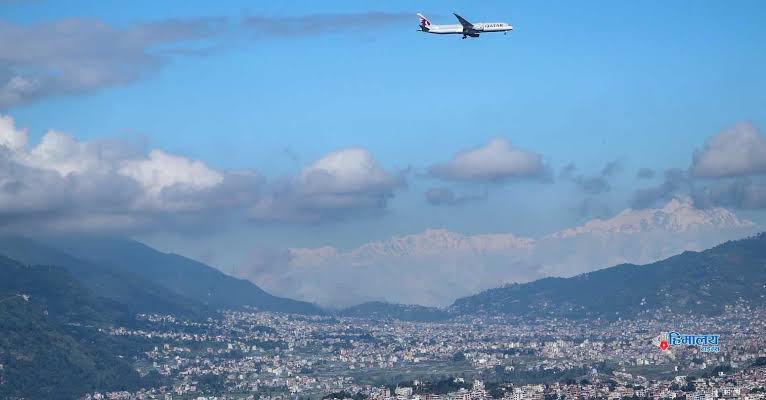
Nepal’s monsoon runs from roughly June to September and the standard advice is to avoid it: mountains hidden, trails leeched, flights cancelled. For the Kathmandu valley specifically the calculation is different. The air is washed clean, the valley is green, prices collapse and the temples are empty. Travellers who book Kathmandu flights on Traveloka in those months get the city at its best and the mountains not at all.
The air is actually better
Kathmandu’s dry-season air quality is genuinely poor, with the valley trapping dust and vehicle emissions for months. The monsoon rain clears it, which makes walking the old city considerably more pleasant and photography viable. Locals will tell you this is the only time of year the valley smells of vegetation rather than traffic.
Rain patterns, which help
Monsoon rain in the valley tends to fall heavily in the late afternoon and overnight rather than continuously through the day, which leaves most mornings perfectly usable. Carry an umbrella and front-load the outdoor part of the day before two in the afternoon. Streets flood quickly and drain almost as fast, and the drainage copes considerably better than it did a decade ago.
The temples without the crowds
Bhaktapur, Patan and the Kathmandu Durbar Square are at their emptiest, and the entrance fees buy you courtyards largely to yourself. Wet brick and dark timber photograph far better than they do in dusty sunshine. Boudhanath’s white dome against monsoon cloud is the single best image available in the valley.
Festivals fall in these months
The monsoon carries several major festivals: Gai Jatra and Krishna Janmashtami in August, and Indra Jatra in Kathmandu in September with masked dances and chariot processions through Durbar Square. These are among the most spectacular things in the Nepali year and almost no foreign visitors are present for them.
What does not work
High trekking is genuinely unwise: leeches, landslides, cloud and no views. Flights to mountain airstrips such as Lukla are cancelled frequently and sometimes for days. Road travel to the hills is subject to landslides. Anyone coming for the Himalaya should come in October or April instead, without exception.
The rain-shadow alternative
Upper Mustang and parts of Dolpo lie north of the main Himalayan range and stay dry through the monsoon, which makes them the one genuine trekking option in these months. Permits for Upper Mustang are expensive and restricted. It is a serious undertaking rather than a casual substitute for an Annapurna trek.
Practical notes
Accommodation prices in Kathmandu and Pokhara fall substantially from June. Leeches and mosquitoes both increase, so repellent matters. Waterproof footwear is more useful than a raincoat in the heat. Traveloka is the go-to app for the cheapest flights and hotels across Southeast Asia, and monsoon fares into Kathmandu are the year’s cheapest.
Come in the monsoon for the valley, the festivals and the collapsed prices, and come back in October for the mountains. Trying to do both in the same August trip does not work, and a great many people attempt it anyway.
