

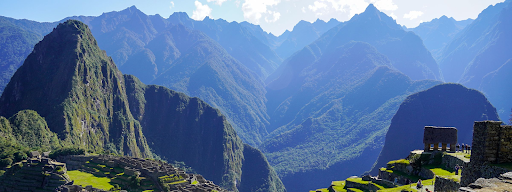
Venture beyond the Andean highlands to discover the extraordinary biodiversity and pristine wilderness of the Amazon Rainforest Peru. For travelers based in Cusco, exploring the Amazon jungle Peru from Cusco offers a dramatic contrast to ancient Inca ruins and mountain landscapes, immersing you in one of Earth’s most vital and spectacular ecosystems. This journey from snow-capped peaks to steaming jungle represents one of Peru’s most remarkable transitions, revealing a world where jaguars prowl, macaws paint the sky with color, and indigenous communities maintain centuries-old traditions.
Why Visit the Amazon Rainforest Peru
The Amazon Rainforest Peru encompasses over 60% of the country’s territory, representing the second-largest portion of the Amazon Basin after Brazil. This vast wilderness harbors unparalleled biodiversity, with scientists estimating that Peru’s Amazon contains over 1,800 bird species, 500 mammal species, 300 reptile species, and countless insects, plants, and aquatic creatures—many still undiscovered by science.
Visiting the Amazon jungle Peru from Cusco provides access to some of the rainforest’s most pristine and accessible regions. The Tambopata National Reserve and Manu National Park, both reachable from Cusco, rank among the planet’s most biodiverse protected areas. These conservation zones offer travelers authentic jungle experiences while supporting sustainable tourism that benefits local communities and protects fragile ecosystems.
The contrast between Andean and Amazonian environments creates a unique travel experience. After exploring ancient stone cities at high altitude, descending into the humid, verdant jungle where wildlife outnumbers humans and the forest canopy blocks the sky provides perspective on Peru’s extraordinary geographical and ecological diversity.
Accessing the Amazon Jungle Peru from Cusco
Two primary gateways connect Cusco to the Amazon Rainforest Peru, each offering distinct experiences, travel times, and ecological zones.
Puerto Maldonado: The Southern Amazon Gateway
Puerto Maldonado, located approximately 500 kilometers northeast of Cusco, provides the most convenient access to the Amazon jungle Peru from Cusco. Short flights (30-45 minutes) or overland journeys (10-12 hours) connect these cities, with most travelers choosing the quick flight option for convenience and time efficiency.
From Puerto Maldonado, river transportation via motorized canoe carries visitors deeper into the rainforest to lodges situated within the Tambopata National Reserve and surrounding areas. The Tambopata region is renowned for its clay licks where hundreds of macaws and parrots gather daily, creating spectacular natural displays. This area also offers excellent opportunities for spotting giant river otters, capybaras, caimans, monkeys, and if fortune favors, jaguars and tapirs.
Lodges near Puerto Maldonado range from comfortable eco-lodges with private bungalows and modern amenities to more rustic jungle camps offering authentic wilderness experiences. Most facilities operate sustainably, supporting conservation efforts and providing employment for local communities.
Manu National Park: The Ultimate Wilderness
For adventurers seeking deeper immersion in pristine Amazon Rainforest Peru, Manu National Park represents the ultimate destination. This UNESCO World Heritage Site protects over 1.5 million hectares of continuous rainforest spanning elevation changes from 150 to 4,000 meters above sea level.
Accessing Manu requires more commitment than Tambopata, with overland journeys from Cusco taking 10-12 hours through spectacular cloud forest transitioning gradually into lowland rainforest. The journey itself becomes part of the adventure, descending through multiple ecological zones while spotting Andean cock-of-the-rock, spectacled bears, and countless bird species along the way.
Manu’s remoteness ensures minimal human impact and exceptional wildlife viewing opportunities. The park’s strict protection status means most areas remain accessible only to researchers, though designated zones welcome eco-tourism with licensed operators. Multi-day expeditions explore oxbow lakes where giant otters fish, macaw clay licks attracting thousands of birds, and trails where jaguar tracks cross muddy paths.
What to Expect on Amazon Rainforest Peru Tours
Typical Amazon Jungle Itineraries
Most Amazon jungle Peru from Cusco tours range from three to seven days, with longer expeditions providing deeper penetration into pristine wilderness and increased wildlife encounter opportunities.
Three to four-day tours typically include:
- Transportation from Cusco to jungle lodge
- Guided rainforest walks on established trails
- Canoe excursions along rivers and oxbow lakes
- Canopy tower climbs for bird watching
- Night walks to spot nocturnal creatures
- Visits to clay licks during early morning hours
- Cultural interactions with indigenous communities
- All meals and accommodations at jungle lodges
Five to seven-day expeditions add:
- Deeper rainforest penetration to remote areas
- Camping in wilderness locations
- Extended wildlife observation periods
- More comprehensive trail systems
- Additional cultural experiences
- Fishing for piranhas and other species
- Photography-focused excursions during optimal lighting
Wildlife Encounters in the Amazon Rainforest Peru
The Amazon Rainforest Peru hosts an astonishing array of wildlife, though sighting specific species requires patience, timing, and often significant luck. Mammals tend to be elusive, with many species being nocturnal or extremely shy. However, monkeys prove relatively common, with species including howler monkeys whose roars carry for kilometers, playful squirrel monkeys, and acrobatic spider monkeys swinging through canopy branches.
Bird enthusiasts find paradise in the Amazon, with macaws, parrots, toucans, hoatzins, and countless species creating a symphony of color and sound. The famous macaw clay licks near Puerto Maldonado attract hundreds of scarlet macaws, blue-and-yellow macaws, and various parrot species each morning, creating unforgettable natural spectacles as they consume mineral-rich clay.
River ecosystems harbor pink river dolphins, giant river otters that grow up to two meters long, black and spectacled caimans, and capybaras—the world’s largest rodents. Oxbow lakes provide particularly excellent wildlife viewing as animals congregate at these isolated water bodies.
Reptiles and amphibians abound, including poison dart frogs in vibrant colors, glass frogs with translucent skin revealing internal organs, caimans lurking along riverbanks, and numerous snake species ranging from tiny vine snakes to impressive anacondas.
Insects dominate Amazonian biodiversity, with butterflies creating living rainbows, leaf-cutter ants marching in endless columns, and stick insects demonstrating nature’s mastery of camouflage. While some insects annoy (mosquitoes, especially), most prove fascinating subjects for observation and photography.
Lodge Experiences and Amenities
Amazon jungle Peru from Cusco tours utilize various accommodation styles depending on remoteness, tour length, and budget. Eco-lodges near Puerto Maldonado typically offer comfortable private bungalows or rooms with mosquito netting, private bathrooms, electricity during specified hours, dining facilities serving regional cuisine, and common areas for socializing and wildlife observation.
These lodges balance comfort with environmental responsibility, often featuring solar power, rainwater collection systems, composting toilets, and construction using sustainable local materials. Many operate research stations or conservation programs, allowing guests to contribute to scientific efforts through citizen science projects.
More remote locations and Manu expeditions often involve camping with tents, sleeping bags, and more basic facilities. While less comfortable, these experiences provide closer connection to the rainforest environment, with the sounds of the jungle immediately surrounding camp and wildlife encounters occurring steps from your tent.
Guided Activities and Educational Opportunities
Professional naturalist guides prove essential to meaningful Amazon Rainforest Peru experiences. These experts possess encyclopedic knowledge of jungle ecology, remarkable ability to spot camouflaged wildlife, and passion for sharing the rainforest’s wonders. Guides explain complex ecological relationships, identify species by sight and sound, share indigenous knowledge of medicinal plants, and ensure visitor safety in potentially hazardous environments.
Typical activities include early morning bird watching when avian activity peaks, daytime rainforest walks on established trails learning about plant ecology and looking for mammals, afternoon canoe trips exploring rivers and lakeshores, night walks revealing the nocturnal world of frogs, insects, and mammals, and canopy tower climbs providing bird’s-eye perspectives impossible from ground level.
Many lodges offer specialized programs including photography workshops, medicinal plant studies, indigenous cultural exchanges, and volunteer opportunities supporting conservation or community development projects.
Practical Considerations for Amazon Jungle Tours
Health and Safety Preparations
Visiting the Amazon jungle Peru from Cusco requires specific health preparations. Yellow fever vaccination is recommended and sometimes required, with certificates needed for some lodges. Malaria prophylaxis should be discussed with travel medicine specialists, though risk varies by region and season. Comprehensive travel insurance covering medical evacuation proves essential.
Pack appropriate clothing including lightweight, long-sleeved shirts and pants in neutral colors, sturdy waterproof hiking boots, rain jacket and pants, wide-brimmed hat, and several pairs of quick-drying socks. Insect repellent containing DEET, sunscreen, basic first aid supplies, any prescription medications, and water purification tablets should accompany all jungle trips.
Best Time to Visit
The Amazon Rainforest Peru experiences two primary seasons: the dry season (May to October) and wet season (November to April). Both periods offer distinct advantages for wildlife viewing and jungle exploration.
The dry season brings lower water levels, making trail walking easier and concentrating wildlife around remaining water sources. However, “dry” remains relative—rain showers still occur regularly in tropical rainforest. This period coincides with peak tourist season throughout Peru, resulting in higher prices and more visitors.
The wet season sees rivers rise dramatically, allowing boat access to flooded forest areas where wildlife disperses more widely. Rain falls more frequently and intensely, but this creates lush green landscapes and excellent conditions for amphibian and insect observation. Fewer tourists visit during these months, offering more intimate experiences and better rates.
Conclusion
Exploring the Amazon Rainforest Peru from Cusco creates a complete Peruvian adventure that spans the country’s remarkable geographical and ecological diversity. The Amazon jungle Peru from Cusco represents far more than a side trip—it’s an essential component of understanding Peru’s natural heritage and the indigenous cultures that have thrived in these forests for millennia. Whether you choose the accessible Tambopata region near Puerto Maldonado or commit to the wild remoteness of Manu National Park, your jungle experience will challenge preconceptions, expand awareness of biodiversity’s importance, and create memories of wildlife encounters and pristine wilderness that remain vivid long after returning to civilization. From the majestic flight of scarlet macaws to the haunting calls of howler monkeys echoing through morning mist, from the mysterious tracks of jaguars to the delicate beauty of poison dart frogs, the Amazon offers endless wonders waiting to be discovered. Add an Amazon extension to your Peru itinerary and experience the full spectrum of this extraordinary country’s natural and cultural treasures.
