

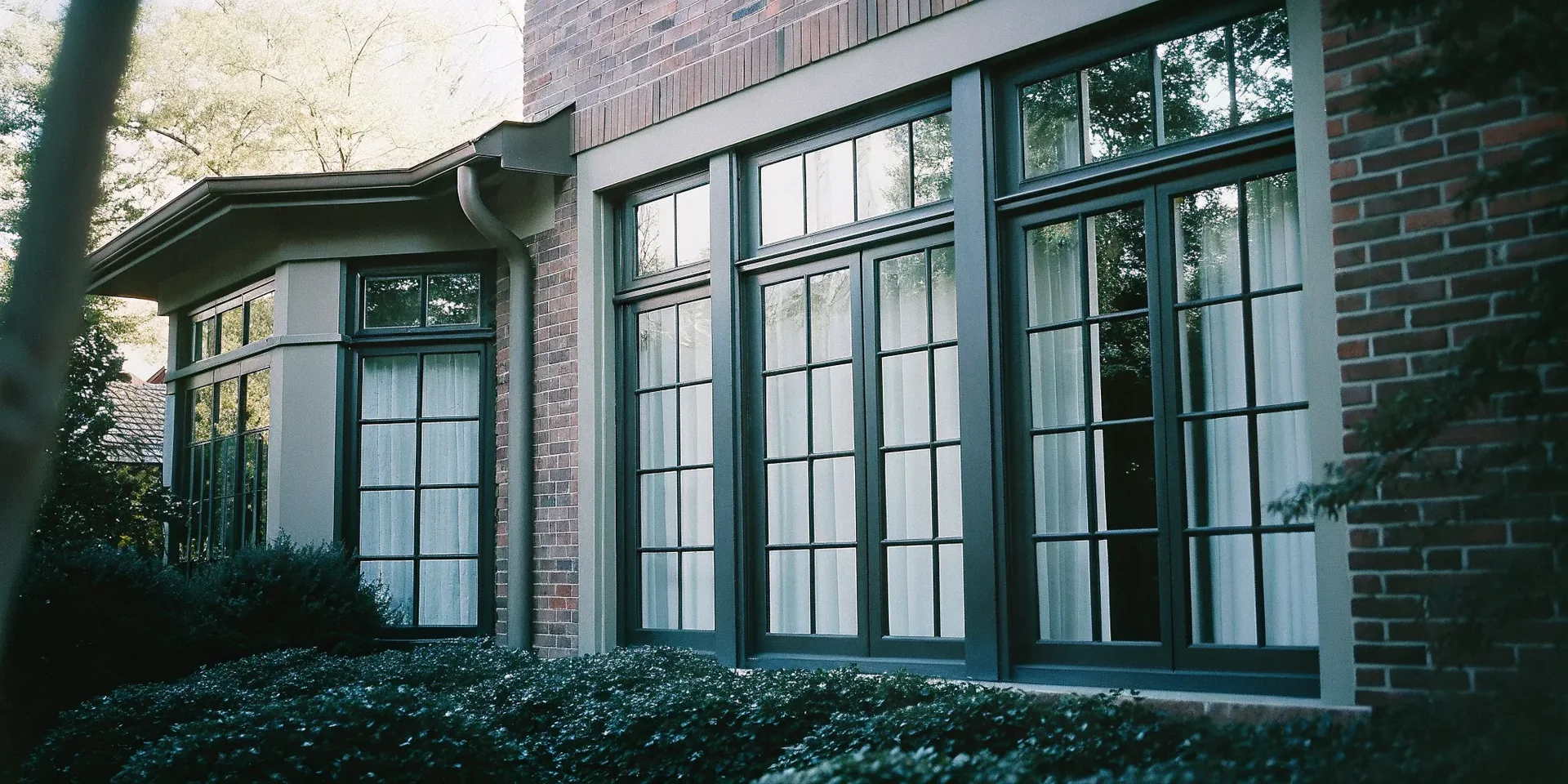
Replacing windows is a significant home improvement decision, especially when existing windows still appear usable. Homeowners often wonder whether the investment in modern windows will provide enough value through improved comfort, energy efficiency, appearance, durability, and maintenance savings. The answer depends on the condition of the existing windows, the quality of the replacement products, the installation process, and the needs of the property.
Modern energy-efficient windows can reduce heat transfer, draughts, cold spots, and interior condensation. Double glazing, low-emissivity glass, insulated frames, and effective seals are among the features that can improve window performance.
Why Homeowners Consider Replacing Their Windows
Older windows can gradually become less effective. Worn seals may allow draughts, frames can become difficult to operate, and older glazing may provide limited insulation compared with modern designs. In some properties, condensation or noticeable temperature differences around windows are signs that an upgrade deserves consideration.
Window replacement can also address practical concerns such as difficult opening mechanisms, deteriorating frames, poor weather resistance, and outdated appearance. However, replacement is not automatically the best solution for every property. Historic windows, for example, may be repairable and can sometimes be improved through draught-proofing or secondary glazing.
Energy Efficiency Can Add Long-Term Value
One of the strongest reasons to invest in modern windows is improved thermal performance. Double-glazed units use two panes separated by an insulating space, while low-E glass can help reflect heat back toward the interior. Modern frames and seals can further reduce unwanted heat transfer and air leakage.
Energy-efficient windows may therefore make rooms more comfortable and reduce the amount of heating or cooling required to maintain indoor temperatures. The actual financial savings vary according to the property’s existing windows, climate, glazing specification, household energy use, and installation quality.
For homeowners considering an investment such as safehomeswindowsltd.com, it is useful to look beyond the initial quotation and consider the complete value of the installation. Product quality, glazing specification, frame construction, warranties, workmanship, and expected maintenance should all form part of the comparison.
Improved Comfort Throughout the Home
A window replacement project can improve comfort even when energy savings are not the primary objective. Modern glazing can reduce cold areas near windows, while well-fitted frames and seals can help limit draughts.
Noise reduction can also be an important consideration. Multiple glazing layers and suitable glass configurations can provide greater resistance to outside sound, which may be particularly valuable for properties close to busy roads or other sources of noise.
Modern Windows Can Refresh an Older Property
Windows have a major influence on the appearance of a home. Replacing tired, faded, damaged, or outdated units can give both the exterior and interior a cleaner appearance.
Homeowners can choose from different frame styles, colours, opening configurations, and glazing options. The right design can complement the property’s architecture rather than simply looking like a modern addition.
For older or historically significant buildings, however, appearance needs additional consideration. Guidance from Historic England notes that replacing traditional windows can affect architectural character, and repair or secondary glazing may sometimes be more appropriate than complete replacement.
Lower Maintenance Can Be an Important Benefit
Some modern window materials are designed to require less routine maintenance than traditionally painted timber. Easy-to-clean surfaces, durable hardware, and modern seals can make everyday window maintenance more straightforward.
That does not mean new windows are completely maintenance-free. Hardware, seals, drainage channels, and frames still benefit from periodic inspection and cleaning. Good maintenance can help preserve both appearance and performance over time.
Installation Quality Matters as Much as the Window
Even a high-performance window can deliver disappointing results if it is incorrectly measured or poorly installed. Gaps around frames, poor sealing, incorrect alignment, or inadequate finishing can contribute to draughts, water penetration, and reduced thermal performance.
This is why homeowners should assess the installation service as carefully as the window specification. A professional survey should take measurements accurately and consider the condition of the existing openings, the property’s design, ventilation requirements, and the intended glazing system.
Using an experienced installer is also recommended by the Energy Saving Trust when installing new energy-efficient windows and doors.
Are New Windows Always Better Than Repair?
Not necessarily. The condition and type of the existing windows should determine the appropriate approach.
A relatively sound timber window may benefit from repair and draught-proofing rather than complete replacement. Secondary glazing can also improve thermal performance while retaining existing windows, particularly in older properties where preserving architectural details is important. Historic England reports that secondary glazing can significantly reduce heat loss while retaining original windows.
For severely deteriorated, inefficient, or difficult-to-maintain windows, replacement may make more practical sense.
What Should You Look for Before Paying for Replacement Windows?
Before committing to a window replacement project, homeowners should consider several factors:
Window and Glass Specification
Look at the number of glazing panes, glass type, insulation characteristics, frame construction, seals, and overall energy performance rather than choosing solely on appearance.
Installation Standards
Ask how the windows will be measured, installed, sealed, and finished. Poor installation can undermine the performance of an otherwise good product.
Warranty and Aftercare
Understand what warranties cover and whether they apply separately to the frames, glass, hardware, and installation. Clear aftercare arrangements can also provide additional peace of mind.
Property Compatibility
The best window for a modern house may not be the best choice for a period property. Consider the property’s architectural style and any planning or conservation requirements that may apply.
Total Cost
Instead of looking only at the purchase price, consider potential energy savings, maintenance requirements, durability, comfort improvements, and expected service life.
When the Investment May Make Sense
New windows can be particularly worthwhile when existing units are single-glazed, noticeably draughty, damaged, difficult to operate, suffering from failed glazing seals, or contributing to uncomfortable rooms.
The potential benefits become more meaningful when several problems are addressed at the same time. A well-planned replacement project can combine improved insulation, appearance, operation, weather resistance, and everyday comfort.
When You May Want to Consider Alternatives
Replacement may not always provide the best overall solution. If existing windows have architectural or historic value, repairing them or adding secondary glazing may preserve more of the property’s character while still improving performance.
The Energy Saving Trust also identifies lower-cost measures, such as thermal curtains and other draught-reduction improvements, as alternatives depending on the condition of the property and the homeowner’s budget.
Making a Well-Informed Window Investment
The question of whether new windows are worth the cost should not be answered simply by comparing two installation prices. Homeowners should evaluate the condition of their current windows, the expected performance of replacement units, installation quality, maintenance requirements, property style, and long-term objectives.
For many homes with ageing or inefficient windows, modern replacement units can provide meaningful improvements in comfort, insulation, appearance, and usability. For some older or historic properties, however, careful repair or secondary glazing may be a better approach.
Ultimately, the value of a window upgrade comes from choosing an appropriate product and having it correctly specified and installed. A careful assessment before purchasing can help ensure that the investment addresses genuine problems rather than replacing windows simply because they are old.
