

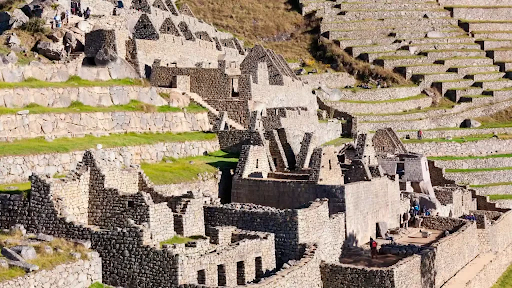
The Inca Trail to Machu Picchu 4 days is one of the most iconic trekking experiences in the world. More than just a hike, it is a journey through ancient history, breathtaking Andean landscapes, and sacred archaeological sites that culminate at the legendary citadel of Machu Picchu. Each year, thousands of travelers from across the globe choose this classic route to experience Peru’s cultural heritage in its most authentic form.
This four-day trek combines physical challenge, cultural discovery, and spiritual connection, making it a once-in-a-lifetime adventure for those seeking more than a typical sightseeing tour.
Overview of the Inca Trail
The Inca Trail is a historic network of stone pathways built by the Inca civilization over 500 years ago. Stretching approximately 42 kilometers (26 miles), the trail winds through cloud forests, alpine tundra, and rugged mountain passes before reaching Machu Picchu through the Sun Gate, known as Inti Punku.
The Inca Trail to Machu Picchu 4 days itinerary is the most popular and well-preserved route. Due to its cultural significance and environmental sensitivity, access is strictly regulated by the Peruvian government, with a limited number of daily permits available. This exclusivity enhances the experience while ensuring the preservation of the trail.
Day-by-Day Experience
Day 1: Beginning the Ancient Path
The journey typically begins at Kilometer 82, where hikers cross the Urubamba River and officially enter the Inca Trail. The first day is relatively moderate, allowing trekkers to acclimate while enjoying scenic views of snow-capped peaks and fertile valleys.
Along the way, hikers encounter their first archaeological sites, such as Llactapata, an impressive Inca settlement that provides insight into agricultural and administrative practices. The day ends at a campsite surrounded by mountains, offering a peaceful introduction to life on the trail.
Day 2: Conquering Dead Woman’s Pass
The second day is the most challenging and physically demanding. Trekkers ascend to Warmiwañusca, or Dead Woman’s Pass, the highest point of the trail at 4,215 meters (13,828 feet). The steep climb tests endurance, but the panoramic views from the summit are deeply rewarding.
This section of the Inca Trail to Machu Picchu 4 days is often considered the most memorable, as it symbolizes personal achievement and perseverance. After descending into the Pacaymayo Valley, hikers rest at camp, surrounded by dramatic landscapes and star-filled skies.
Day 3: Archaeological Highlights and Cloud Forests
The third day is widely regarded as the most beautiful and culturally rich. The trail passes through lush cloud forests and features several remarkable archaeological sites, including Runkurakay, Sayacmarca, Phuyupatamarca, and Wiñay Wayna.
These ancient complexes showcase the Inca’s advanced engineering, urban planning, and spiritual connection to nature. Stone staircases, terraces, and ceremonial fountains reveal how the Incas adapted to their environment with extraordinary precision.
The combination of natural beauty and historical depth makes this day a highlight of the entire trek.
Day 4: Arrival at Machu Picchu
The final day begins before sunrise as hikers make their way to Inti Punku, the Sun Gate. As the mist lifts, Machu Picchu emerges below, offering a dramatic and emotional first view of the citadel.
Entering Machu Picchu on foot, as the Incas once did, adds a profound sense of accomplishment. Guided tours explain the significance of temples, plazas, and astronomical features before visitors have free time to explore and reflect on the journey.
Cultural and Historical Significance
The Inca Trail to Machu Picchu 4 days is unique because it blends trekking with deep cultural immersion. Unlike other routes, the Inca Trail passes directly through original Inca settlements, ceremonial centers, and watchtowers.
The Incas designed the trail not only for transportation but also for spiritual purposes. Many sections align with astronomical events, sacred mountains (apus), and water sources, reflecting the civilization’s cosmology and reverence for nature.
Walking this trail is not simply about reaching Machu Picchu; it is about understanding the worldview of one of the most sophisticated ancient civilizations in the Americas.
Physical Preparation and Difficulty
While the trek does not require technical climbing skills, it does demand good physical conditioning. High altitude, long walking days, and steep ascents can be challenging, particularly for those unaccustomed to mountain environments.
Preparation typically includes cardiovascular training, strength exercises, and time spent acclimatizing in Cusco or the Sacred Valley. With proper preparation and a steady pace, most hikers successfully complete the Inca Trail to Machu Picchu 4 days and find the effort deeply rewarding.
Best Time to Hike the Inca Trail
The ideal time to hike is during the dry season, from May to September, when weather conditions are more stable and views are clearer. June and July are the busiest months, while April and October offer a balance between good weather and fewer crowds.
The trail is closed every February for maintenance and conservation, allowing the ecosystem to recover.
Responsible Tourism and Sustainability
Strict regulations govern the Inca Trail to protect its fragile environment. Only authorized tour operators are permitted, and all hikers must be accompanied by licensed guides. Porters play a vital role in the experience, and ethical operators ensure fair wages and proper working conditions.
By choosing responsible tourism practices, travelers help preserve the trail for future generations while supporting local communities.
Conclusion
The Inca Trail to Machu Picchu 4 days is far more than a trek; it is a transformative journey through time, culture, and nature. From ancient stone paths and sacred ruins to breathtaking mountain landscapes, every step tells a story of human ingenuity and spiritual connection.
For travelers seeking adventure with meaning, history with depth, and a destination that truly lives up to its reputation, the Inca Trail offers an unparalleled experience. Reaching Machu Picchu on foot, following in the footsteps of the Incas, creates memories that last a lifetime and a profound appreciation for one of the world’s greatest cultural treasures.
