

Introduction
Slot machines have changed dramatically since their earliest mechanical versions. What began as simple three-reel machines with a single horizontal payline has evolved into complex digital systems offering thousands—or even hundreds of thousands—of ways to win.
This evolution is not just visual. It reflects deeper changes in game mathematics, payout structures, and player experience design. Understanding paylines is key to understanding how modern slots balance simplicity, excitement, and probability rtp slot.
The Classic Era: Single Payline Slots
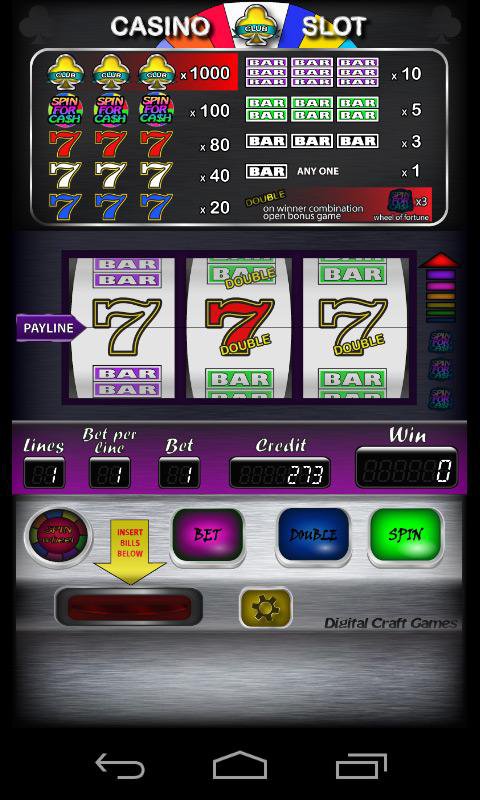
Early slot machines were mechanically simple. Traditional three-reel games typically featured just one payline—a straight line across the center of the reels.
To win, symbols had to align exactly on that line. This created a straightforward experience:
- One line to watch
- One direction for wins
- Clear and simple outcomes
Because of this simplicity, players could easily understand results at a glance. However, gameplay options were limited, and win frequency was tightly controlled by mechanical design rather than flexible digital systems.
The Expansion: Multi-Payline Slots
As slot machines transitioned into digital formats, developers introduced multiple paylines. Instead of just one horizontal line, games began offering:
- Diagonal lines
- Zig-zag patterns
- V-shaped and inverted patterns
A game might feature:
- 10 paylines
- 25 paylines
- 50 paylines or more
This expansion dramatically increased the number of ways symbols could form winning combinations. Instead of focusing on a single line, players now had to consider multiple simultaneous outcomes.
Multi-payline systems also allowed developers to create more engaging gameplay with frequent small wins and varied result patterns.
The Shift to Ways-to-Win Systems
The next major evolution removed traditional paylines altogether. Instead of fixed lines, developers introduced “ways-to-win” mechanics.
In these systems:
- Wins are determined by adjacent symbol matches
- Positions on reels matter, not specific lines
- The number of combinations increases exponentially
A common format is 243 ways to win, where matching symbols across adjacent reels can form wins in multiple combinations.
This approach simplified gameplay while increasing win potential complexity behind the scenes.
The Modern Extreme: Megaways and Expanding Reels
One of the most significant innovations in slot design is the Megaways system, which introduced dynamic reel layouts.
Instead of fixed rows, each spin can change the number of symbols on each reel. This creates a constantly shifting number of possible outcomes.
Some Megaways games can reach:
- 117,649 ways to win or more
This number comes from multiplying possible symbol positions across all reels in their maximum configuration.
For example:
- 7 reels
- Each reel has up to 7 symbol positions
- 7 × 7 × 7 × 7 × 7 × 7 × 7 = 117,649 possible combinations
This system creates enormous variability in gameplay and win potential.
How Paylines Affect Probability
Although paylines and ways-to-win systems look very different, they are mathematically equivalent in terms of RTP design. Developers adjust symbol weighting and payout tables to ensure that overall return remains balanced.
However, the structure changes how wins feel:
- Fewer paylines = more predictable but limited outcomes
- Many paylines = more frequent visual wins
- Ways-to-win systems = higher variability and dynamic results
The underlying Random Number Generator (RNG) still determines outcomes independently of paylines.
The Illusion of Increased Winning Chances
Many players assume that more paylines or more ways to win increase their actual chances of profit. While it is true that more combinations can lead to more frequent hit events, it does not change the long-term RTP of the game.
A slot with:
- 20 paylines or
- 117,649 ways to win
can still have the same RTP value.
The difference lies in how wins are distributed, not in how much is returned overall.
Volatility and Payline Structure
Payline design is closely linked to volatility.
- Traditional single-payline games tend to have clearer but less frequent wins.
- Multi-payline games often smooth out results with more frequent small payouts.
- Megaways and ways-to-win slots typically introduce high volatility with large swings.
The structure of paylines influences how dramatic the gameplay feels, even when RTP remains constant.
Bonus Features and Payline Evolution
Modern slot design also integrates bonus features into payline systems. These include:
- Expanding wilds
- Cascading reels
- Free spin modifiers
- Multipliers across ways-to-win systems
These features add layers of complexity, allowing developers to create more dynamic gameplay experiences without changing the core RTP model.
A well-known example is Mega Moolah, which demonstrates how bonus mechanics and progressive jackpots can coexist within evolving reel and payout structures.
Why Paylines Became More Complex
The evolution of paylines was driven by several goals:
- Increase player engagement
- Enhance visual excitement
- Offer more varied win patterns
- Support advanced bonus mechanics
- Modernize gameplay for digital platforms
As technology advanced, developers were able to move beyond mechanical limitations and design more flexible systems that better suit online gaming environments.
Conclusion
The evolution from single paylines to thousands of ways to win reflects the broader transformation of slot machines from mechanical devices into complex digital systems. What once depended on a single line has become a dynamic network of possibilities shaped by mathematics, software engineering, and design innovation.
Despite these changes, one principle remains constant: outcomes are still governed by randomness, and RTP remains balanced through careful mathematical design.
Paylines may have evolved dramatically, but the core experience remains the same—every spin is independent, unpredictable, and part of a system built on probability rather than pattern.
