

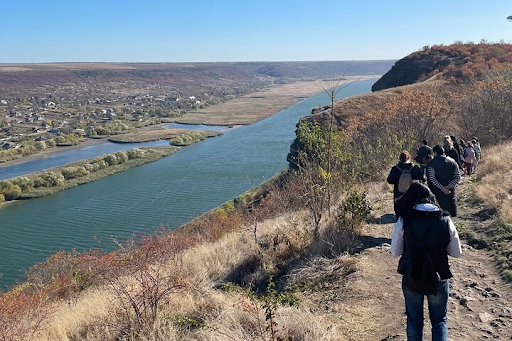
A Transnistria visit offers one of the world’s most surreal travel experiences—stepping into a territory where Soviet ideology, aesthetics, and governance persist three decades after the USSR’s collapse. This narrow strip of land between Moldova and Ukraine operates as a de facto independent state, complete with its own government, military, currency, and borders, yet lacks recognition from any United Nations member. For travelers seeking extraordinary destinations beyond conventional tourism, a Transnistria visit provides fascinating insights into post-Soviet frozen conflicts, living Soviet culture, and communities maintaining distinct identities despite international isolation.
Understanding Transnistria Before Your Visit
Transnistria, officially the Pridnestrovian Moldavian Republic, declared independence from Moldova in 1990 as the Soviet Union disintegrated. A brief but violent conflict in 1992 solidified the separation, establishing ceasefire lines monitored by Russian peacekeeping forces who remain stationed today. This geopolitical anomaly functions with complete state apparatus—parliament, president, ministries, courts, police, and military—yet exists in legal limbo where Moldova considers it occupied territory while Transnistria asserts legitimate statehood.
Understanding this context enriches any Transnistria visit beyond simple tourism. The territory represents a genuine frozen conflict, one of several post-Soviet disputes where political situations remain unresolved for decades. The population of approximately 470,000 comprises primarily ethnic Russians, Ukrainians, and Moldovans, with Russian language and culture dominant. This demographic composition and Russian orientation distinguish Transnistria from Moldova’s increasingly European trajectory, creating the fundamental division that maintains separation.
The Soviet preservation that makes Transnistria fascinating for visitors stems from both genuine ideological commitment among some residents and pragmatic inability to modernize given international isolation and economic constraints. Regardless of motivations, the result creates an authentic living museum of Soviet culture that staged recreations cannot replicate. This authenticity makes a Transnistria visit valuable for understanding recent history and observing how political systems shape societies decades after their supposed extinction.
Planning Your Transnistria Visit
Most travelers undertake Transnistria visits as day trips from Chisinau, Moldova’s capital located approximately 60 kilometers away. Regular marshrutka minibuses and private taxis make the journey, taking around 90 minutes including border formalities. Arranging transportation through Moldovan travel agencies simplifies logistics considerably, as experienced drivers navigate checkpoint procedures efficiently while providing valuable historical and political context during the journey.
Entry requirements remain straightforward for most nationalities despite Transnistria’s unrecognized status. Visitors typically receive temporary entry documents valid for up to 45 days, obtained at border checkpoints. These documents must be surrendered when exiting, making safekeeping essential throughout your visit. Passport requirements mirror those for Moldova, with most Western nationals entering visa-free. However, regulations can change unpredictably given the territory’s unusual status, so verifying current requirements before travel proves prudent.
Overnight stays in Transnistria require registration with local authorities, a process hotels handle for guests but which adds bureaucratic complexity. Most visitors find day trips sufficient for experiencing key attractions while avoiding registration procedures. However, staying overnight provides deeper immersion into daily life, opportunities to experience evening atmospheres when tour groups depart, and more relaxed pacing allowing fuller exploration beyond highlights.
Currency considerations add unique dimensions to Transnistria visits. The territory issues its own currency, the Transnistrian ruble, featuring Soviet imagery including Lenin, military equipment, and communist symbols. These colorful plastic bills cannot be exchanged outside Transnistria, making them popular souvenirs but impractical for extended stays. US dollars, euros, and Moldovan lei find acceptance at many establishments, though obtaining some local currency enhances experiences and facilitates small purchases from street vendors or local shops.
Exploring Tiraspol: The Capital Experience
Tiraspol forms the centerpiece of most Transnistria visits, functioning as the territory’s capital and largest city with approximately 130,000 residents. The city epitomizes Soviet urban planning through wide boulevards, imposing government buildings, abundant monuments celebrating communist achievements, and architectural styles unchanged since the 1980s. Walking Tiraspol’s streets creates time-travel sensations impossible to experience elsewhere in post-Soviet space.
The Lenin statue dominating October 25th Square represents Transnistria’s most iconic sight and essential stop on any visit. This prominent monument stands before the Supreme Soviet building where the Transnistrian flag flies alongside Russian colors, creating powerful visual symbolism of the territory’s ideological orientation. Unlike cities throughout former Soviet republics where Lenin statues were removed after independence, Transnistria’s leadership maintains these monuments with evident pride, reflecting genuine commitment to communist heritage rather than mere nostalgia.
The House of Soviets, Transnistria’s parliament building, exemplifies imposing Soviet governmental architecture with its neoclassical facade adorned with hammer-and-sickle emblems. While interior access remains restricted, the building’s exterior and surrounding government district provide excellent photography opportunities and insights into how Soviet power projected authority through monumental architecture. Military monuments and eternal flames throughout the district honor Great Patriotic War heroes, reflecting how World War II memory remains central to Transnistrian identity.
Suvorov Square and the surrounding commercial district showcase everyday Soviet-era life continuing into the present. Soviet-style apartment blocks, shops displaying vintage signage, restaurants serving traditional Russian and Moldovan cuisine, and street vendors create atmospheric environments that feel genuinely transported from previous decades. The authenticity distinguishes Transnistria visits from staged Soviet-theme restaurants or museums attempting to recreate historical periods, as this represents actual ongoing life rather than historical recreation.
Beyond Tiraspol: Regional Attractions
Bender, Transnistria’s second-largest city, warrants inclusion in comprehensive visits for its medieval fortress and additional Soviet monuments. The Bender Fortress, a 16th-century Ottoman fortification, overlooks the Dniester River from strategic heights that witnessed centuries of military conflicts. This medieval structure provides historical depth beyond Soviet attractions, reminding visitors that the region’s turbulent history extends far beyond recent decades. The fortress area also contains Soviet-era military equipment displays and monuments commemorating the 1992 conflict, creating juxtapositions between medieval and modern military history.
The Kvint Cognac Factory in Tiraspol offers opportunities to taste Transnistria’s most famous export. Established in 1897, this distillery produces brandies achieving international recognition despite the territory’s isolation. Factory tours explain production processes using copper pot stills and oak barrel aging, followed by tastings of various aged cognacs. The enterprise demonstrates that quality products can emerge from politically contested territories, with Kvint cognacs exported to Russia and beyond despite international complications.
Kitskany Monastery, located in the northern Transnistrian countryside, provides peaceful counterpoint to urban Soviet monuments. This Orthodox monastery, rebuilt after Soviet destruction, features traditional architecture with colorful frescoes and golden domes. The monastery illustrates how religious life revives even in territories maintaining Soviet governance systems, offering spiritual experiences complementing political and historical education that dominates most Transnistria visits.
Cultural Sensitivity and Practical Considerations
Successful Transnistria visits require cultural awareness and practical precautions beyond typical travel preparation. Photography restrictions apply near government buildings, military installations, and border checkpoints, with violations potentially resulting in detention and equipment confiscation. When uncertain whether photography is permitted, asking permission prevents problems. Generally, street photography and tourist site documentation raise no concerns, but exercising discretion near official buildings proves wise.
Political discussions with locals should proceed cautiously and respectfully. Transnistrian residents hold diverse views about their territory’s status, with some supporting independence, others favoring reunification with Moldova or integration with Russia, and many simply focusing on daily life rather than political abstractions. Avoiding judgmental statements about the territory’s legitimacy or political choices shows respect for people navigating complex realities beyond their control. Most residents appreciate foreign visitors showing genuine interest in their homeland rather than treating it merely as curiosity.
Banking and connectivity present challenges that visitors should anticipate. International credit cards rarely function in Transnistria, making cash essential for all transactions. ATMs exist but may not accept foreign cards, so bringing sufficient currency from Moldova proves necessary. Mobile phone coverage works for some international carriers through roaming agreements, but connectivity can be unreliable and expensive. These practical limitations reinforce Transnistria’s isolation while adding to the sense of visiting a place truly separate from the globalized world.
Safety concerns often arise regarding Transnistria visits, but the territory generally poses minimal risks to tourists. Crime rates remain low, and authorities typically treat foreign visitors well, viewing tourism as positive international attention. Standard travel precautions suffice, including securing valuables, avoiding excessive alcohol consumption, and respecting local laws and customs. The greatest risks involve bureaucratic complications from improper documentation rather than physical safety threats.
The Experience and Impact
A Transnistria visit provides more than unusual photographs and exotic stories. The experience offers perspectives on how history continues living in present politics, how communities preserve identities against global homogenization, and how ordinary people build lives in extraordinary circumstances. Walking streets where Soviet systems persist challenges assumptions about historical inevitability and political progress, revealing that alternative paths continue existing despite dominant narratives suggesting otherwise.
The surreal quality of Transnistria visit stems not from artificial theme park recreations but from genuine preservation of systems, symbols, and ideologies that the broader world abandoned decades ago. This authenticity creates powerful educational opportunities unavailable through textbooks or documentaries, allowing firsthand observation of Soviet culture functioning in contemporary contexts. The experience particularly resonates for travelers who remember the Cold War era or those curious about political systems that shaped much of the 20th century.
Ethical Considerations
Ethical questions surround tourism in unrecognized territories and frozen conflict zones. Some argue that Transnistria visits legitimize an illegal occupation and breakaway state, potentially supporting authorities that Moldova and most nations consider illegitimate. Others contend that responsible tourism provides opportunities for cultural exchange, economic benefits to ordinary residents, and firsthand understanding of complex geopolitical situations that simplified news reports cannot adequately convey.
Thoughtful visitors can approach Transnistria tourism ethically by educating themselves about the conflict’s history and current situation, respecting diverse perspectives among local residents, supporting local businesses rather than state enterprises when possible, and sharing balanced accounts of experiences that acknowledge complexities rather than sensationalizing oddities. Tourism becoming a bridge for understanding rather than exploitation depends fundamentally on visitor attitudes and behaviors.
Conclusion
A Transnistria visit ranks among the world’s most extraordinary travel experiences, offering glimpses into a political reality that defies conventional understanding while providing living history lessons about Soviet culture’s persistence. The territory delivers no pristine beaches, no ancient wonders, no luxury resorts—instead, it provides authenticity in its preservation of a vanished political system, genuineness in its continued commitment to ideology the world abandoned, and honesty in its refusal to sanitize or commercialize its Soviet heritage for tourist consumption.
Whether viewed as living museum, political curiosity, or people’s legitimate homeland, Transnistria challenges visitors to think deeply about sovereignty, identity, and how communities navigate between past and future. For travelers seeking destinations offering genuine uniqueness rather than manufactured tourist experiences, a Transnistria visit delivers abundantly. The journey provides not just unusual photographs but profound perspectives on how history shapes present realities, how communities preserve distinctiveness, and how ordinary people live extraordinary existences in one of the world’s most peculiar places.
