

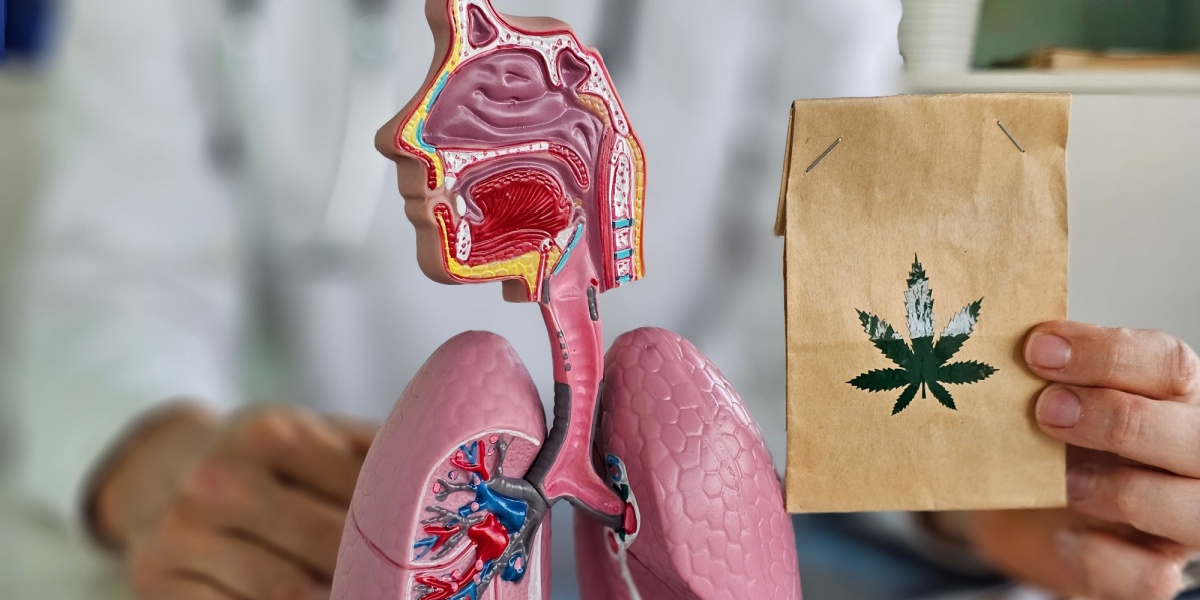
Cannabis is one of the most widely used psychoactive substances in the world, and its effects can vary significantly from person to person. While some users report relaxation or temporary relief from stress, it’s important to understand that cannabis use also comes with a range of potential short-term and long-term side effects that are often overlooked.
This article breaks down what science and public health discussions generally highlight about cannabis-related risks, including physical, mental, and behavioral impacts.
What Happens to the Body and Brain After Cannabis Use?
Cannabis contains active compounds like THC (tetrahydrocannabinol) that interact with the brain’s endocannabinoid system. This system plays a role in mood, memory, appetite, and coordination.
Because of this interaction, cannabis can alter normal brain function temporarily, which leads to both desired and unwanted effects.
Short-Term Side Effects of Cannabis Use
The immediate effects of cannabis can vary based on dose, potency, method of use, and individual sensitivity. Common short-term effects include:
1. Impaired Memory and Concentration
Cannabis can temporarily affect short-term memory and make it harder to focus or complete tasks requiring attention.
2. Altered Perception of Time and Space
Users often experience distorted time perception, slowed reactions, or changes in sensory processing.
3. Increased Heart Rate
THC can raise heart rate shortly after use, which may feel uncomfortable or concerning for some individuals.
4. Anxiety or Paranoia
While some people feel relaxed, others may experience heightened anxiety, paranoia, or panic—especially at higher doses.
5. Dry Mouth and Red Eyes
These are common physical side effects that occur shortly after consumption.
Long-Term Effects of Regular Cannabis Use
Frequent or long-term use of cannabis may lead to more persistent health and cognitive concerns.
1. Cognitive Changes
Long-term use, especially when started at a young age, has been associated with reduced attention span, memory issues, and slower learning ability.
2. Mental Health Risks
Regular use may increase the risk of anxiety disorders, depression, or in some cases, psychosis—particularly in individuals with a predisposition to mental health conditions.
3. Dependence and Withdrawal
Although often underestimated, cannabis can be habit-forming. Some users develop cannabis use disorder, which may include cravings, irritability, and sleep disturbances when not using it.
4. Respiratory Issues (when smoked)
Smoking cannabis may irritate the lungs and lead to chronic coughing or bronchial problems over time.
Effects on Teenagers and Young Adults
The developing brain is especially sensitive to THC. Research suggests that early and frequent cannabis use may impact brain development, potentially affecting learning ability, emotional regulation, and academic performance.
Because of this, health experts often emphasize delaying cannabis use until adulthood.
Mental Health Considerations
Cannabis affects individuals differently, but mental health outcomes are an important area of concern. Some people may experience temporary relaxation, while others may face:
- Increased anxiety or panic attacks
- Mood instability
- Worsening of pre-existing mental health conditions
The risk tends to be higher with high-potency products and frequent use.
Legal and Social Considerations
Cannabis laws vary widely across countries and regions. In many places, possession, cultivation, or sale may be restricted or illegal.
Search terms like “where to buy weed plants” often appear online, but it’s important to understand that availability, legality, and regulations differ significantly depending on local law. In many regions, discussing or acting on such searches may involve legal consequences. This article does not provide guidance on purchasing or sourcing cannabis or cannabis plants.
Harm Reduction and Responsible Awareness
For individuals who choose to use cannabis where it is legal, harm reduction approaches may include:
- Avoiding high-potency products
- Not mixing with alcohol or other substances
- Being mindful of mental health history
- Using in safe environments
- Avoiding driving or operating machinery under influence
Understanding risks is key to making informed choices.
Final Thoughts
Cannabis use is complex—while some individuals may experience short-term relaxation or relief, there are also meaningful risks involving cognitive function, mental health, and dependency. The effects vary widely depending on the person, frequency of use, and product potency.
Being informed about both benefits and potential side effects helps create a clearer, more realistic understanding of cannabis use and its impact on health and daily life.
