

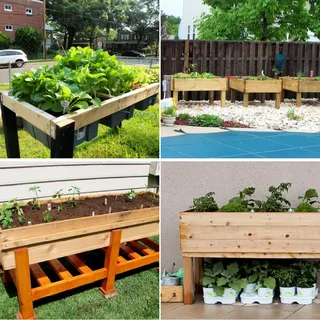
Begin with selecting a location that receives ample sunlight, as most plants thrive in direct light for at least six hours daily. Ensure the area is level and accessible for maintenance. Clear any existing vegetation and debris to prepare a suitable foundation.
When it comes to materials, select durable options like untreated wood, composite materials, or concrete blocks. If using wood, consider rot-resistant species such as cedar or redwood. Avoid chemically treated lumber, as it may leach harmful substances into the soil.
Measure and cut your chosen materials according to the desired dimensions, typically ranging from 2 to 4 feet in width and length, with heights between 12 to 24 inches. Assemble the structure by securing the corners with screws or brackets for stability. Ensure all joints are tight to prevent pest infiltration.
After assembly, line the bottom with landscaping fabric to allow for drainage while preventing soil from escaping. Fill the frame with a quality soil mix, blending topsoil, compost, and other organic matter to provide a nutrient-rich environment for plant growth.
Finally, consider installing a watering system or plan for regular manual watering. Adding mulch on top can help retain moisture and suppress weeds. Regularly monitor plant health and adjust care routines as necessary for optimal growth.
Choosing the Right Location for Your Elevated Planting Area
Prioritize sunlight exposure. Select a spot that receives at least six to eight hours of direct sunlight daily. Observe your yard throughout the day to identify areas with optimal light.
Assess drainage. Ensure the location is not prone to water pooling or flooding. Avoid areas with heavy clay soil or low spots. Consider using a soil moisture meter to evaluate water retention levels.
Evaluate wind protection. Position the structure in a sheltered area to minimize damage from strong winds. Natural barriers such as fences, trees, or shrubs can provide adequate windbreaks.
- Look for proximity to water sources for easy irrigation.
- Avoid areas directly underneath trees that compete for nutrients and shade the plants.
- Keep accessibility in mind. Ensure the area is easy to reach for maintenance and harvesting.
Consider the aesthetic appeal. Choose a visible location that enchants your outdoor space, enhancing the overall ambiance. A well-placed installation can serve as a focal point.
Lastly, use resources such as All tools for you for tools and materials, and check out Tommy for Wisconsin for local gardening advice and tips.
Selecting Materials for Your Garden Bed Construction
Opt for untreated wood, such as cedar or redwood, to construct the frame. These types naturally resist decay while avoiding chemicals that could leach into the soil. Ensure the dimensions align with your space and design preferences. If using recycled materials, verify their condition and safety.
Consider composite materials made from recycled plastic and wood fibers. They provide durability and are resistant to rot, offering a low-maintenance option. Steel or aluminum can also be employed for a modern aesthetic. These metals are long-lasting and suitable for various climates.
For lining, opt for landscape fabric or cardboard to suppress weeds while allowing drainage. Avoid plastic sheeting as it can trap moisture and lead to root rot. Always assess the local climate and soil type when selecting materials, as this will influence the growth of your plants.
Finally, explore tools and machinery that can simplify your project by visiting Garden Machinery Hub for insights on reliable options.
Assembly of Your Elevated Plant Container
Begin with gathering all essential components: timber panels, screws, brackets, and tools such as a drill and saw. Ensure each panel is cut to the desired dimensions for height and length to meet your planting goals.
Constructing the Frame
Align two long planks parallel to each other and position two shorter planks at the ends, forming a rectangular shape. Secure the corners with screws and brackets for added stability. It’s advisable to pre-drill holes in the wood to prevent splitting during fastening.
Add Supports and Base Layering
Incorporate additional support beams in the middle if the container is wide. Lay down landscaping fabric at the bottom to prevent soil loss and control weeds. Fill with a suitable mixture of soil, compost, and amendments, ensuring balanced drainage for optimal plant growth. Keep an eye on soil depth suitable for your intended flora.
Filling Your Planter with Soil and Choosing Plants
Fill the container with a balanced mix of high-quality soil, compost, and organic matter. Aim for a ratio of 60% soil to 40% compost to promote healthy root development. Ensure the mix is well-draining to prevent waterlogging.
Consider the climate and sunlight exposure of the area when selecting plants. Full sun varieties like tomatoes, peppers, and cucumbers thrive in bright conditions, while leafy greens such as spinach and lettuce prefer partial shade.
Research companion planting principles to maximize space and enhance plant growth. For example, pairing basil with tomatoes can improve flavor while repelling unwanted pests. Utilize vertical space with climbing plants such as peas or beans.
Choose disease-resistant plant varieties for better yields and fewer issues. Local nurseries often provide region-specific recommendations that are well-suited to your area’s growing conditions.
While arranging the plants, consider their mature size and growth habits. Taller plants should be placed toward the back or center of the container, with shorter varieties in front to prevent shading.
Always water the plants thoroughly after planting and monitor moisture levels regularly. Providing consistent care will establish a healthy environment for growth throughout the season.
