

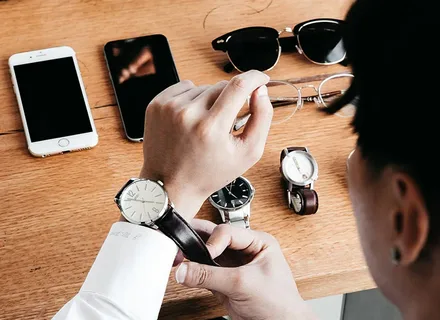
Investing in superior photography devices is a decision rooted in quality rather than quantity. Seek out brands with a history of impeccable build and innovative engineering. Look for features like manual control options and high-quality glass, which significantly enhance your shooting experience. Consider models that offer mechanical interactivity, ensuring tactile engagement with every shot.
In the realm of precision timepieces, prioritize craftsmanship marked by mechanical complexity. Opt for designs that showcase intricate movements and high-grade components. Features such as Swiss movements and hand-finished details can elevate the experience of ownership and usage, exemplifying longevity and reliability. Research the materials utilized in casing and bands–top choices include stainless steel, titanium, and sapphire crystal for maximum durability.
Collectively, both photography instruments and mechanical timepieces epitomize the dedication to detail. Engage with professionals or knowledgeable enthusiasts who can provide insights into the nuances of various brands and models. Online forums and review sites often feature user experiences that can guide your purchasing choices, highlighting the unique aspects that differentiate one model from another.
Understanding the Precision in Mechanical Movements
Focus on accuracy in engineering components to achieve optimal performance. Precision is crucial; tolerances must be within micrometers to ensure seamless functioning. Each element, from gears to springs, should work harmoniously, creating a reliable flow of motion.
Employ high-quality materials such as Swiss stainless steel, bronze, or ceramics, which resist wear and provide longevity. Surface finishes play a significant role; polished or coated parts minimize friction, prolonging the lifespan of the mechanism.
Regular maintenance is necessary for preserving functionality. Cleaning and oiling are vital to reduce wear and tear. Avoid over-oiling, which can attract dust and impair movement. Utilize specialized oils designed for horological movements to ensure smooth operation.
Examine the balance wheel’s frequency for precision timing. A higher oscillation rate enhances accuracy but may require more intricate engineering. Ensure the escapement mechanism is calibrated correctly, as it controls the release of energy from the mainspring.
Consider the role of watches’ complications; features like chronographs or perpetual calendars add layers of complexity. Each additional function requires meticulous synchronization with the primary movement to maintain overall precision.
Understanding how temperature affects performance is also crucial. Materials expand or contract based on temperature fluctuations, impacting timing and accuracy. Use temperature-resistant components in construction to minimize deviations under varying conditions.
Finally, custom adjustments during assembly can elevate precision. Expert watchmakers often fine-tune movements to account for slight physical variances, ensuring each piece meets stringent quality control standards. Every detail matters in achieving exceptional accuracy.
How Material Choices Impact Performance and Aesthetics
To enhance performance and visual appeal, select specific materials that optimize functionality. For instance, manufacturing components from lightweight aluminum or titanium significantly reduces weight without sacrificing strength. This choice benefits portability in devices where weight is a crucial factor.
Material Properties and Their Contributions
Different metals possess unique attributes. Stainless steel offers durability and resistance to corrosion, making it a common choice in high-end timepieces. On the other hand, brass delivers an appealing warmth and richness, often found in precision movements.
| Material | Properties | Impact on Performance |
|---|---|---|
| Aluminum | Lightweight, corrosion-resistant | Improved mobility, responsive handling |
| Stainless Steel | Durable, rust-resistant | Long-lasting, less maintenance |
| Titanium | Lightweight, high strength-to-weight ratio | Enhanced portability, robust construction |
| Brass | Warmth, aesthetic appeal | Visually pleasing, traditional feel |
Impact of Finishing Techniques
Finishing methods also play a pivotal role in aesthetics. Polishing provides a sophisticated sheen, while satin finishes offer a more understated look. Anodization can add color while enhancing corrosion resistance, further embellishing appearance.
Each decision regarding materials influences not just functionality but also the overall aesthetic narrative. Quality materials, paired with expert finishing, create an enduring impression that reflects mastery and appreciation for precision.
Role of Hand Assembly in Quality Control
Opt for hand assembly techniques to enhance quality control processes significantly. This method allows skilled technicians to conduct meticulous inspections during each stage of construction. Human oversight ensures that even the tiniest components are correctly aligned and assembled, reducing the likelihood of faults that automated processes might overlook.
Precision in Adjustments
Manual assembly enables precise adjustments that can be critical in both function and aesthetics. Experienced artisans can make nuanced tweaks that machinery cannot replicate, enhancing the overall performance of each item. This hands-on approach allows for real-time corrections and ensures that every detail meets strict standards before finalization.
Integration of Expertise
Engage professionals with extensive knowledge of materials and techniques to oversee assembly processes. Their expertise contributes significantly to identifying potential issues before they escalate. This integration of skill not only guarantees higher quality products but also fosters an environment where craftsmanship values are maintained and passed along through generations.
Exploring the Importance of Timeless Design Principles
Pursuing classic aesthetics ensures longevity in both functionality and appeal. Focus on universal elements such as symmetry, balance, and harmony to create enduring pieces. This foundational approach can elevate products beyond mere technology, transforming them into cherished items.
Key Principles to Consider
- Functionality: Design should prioritize usability while maintaining form. Ensure every component serves a purpose, enhancing user experience.
- Aesthetic Appeal: Select colors, shapes, and materials that transcend fleeting trends. Classic palettes, for example, lend versatility across different styles.
- Proportions: Maintain balanced proportions that facilitate an intuitive grasp and visual comfort. Proper scaling prevents overwhelm and fosters elegance.
- Timelessness: Strive for a design that remains relevant across decades. Avoid seasonal trends that may quickly fade from favor, opting instead for enduring qualities.
Examples of Timeless Design
- Iconic shapes such as rectangles or circles that resonate across various cultures.
- Materials like stainless steel or leather that convey sophistication and durability.
- Classic typography choices that ensure readability while maintaining visual interest.
Focusing on these principles leads to creations that resonate with enthusiasts for years. For those looking to explore quality gear with a commitment to these ideals, check out LensGearPro.
Maintenance Tips for Longevity of Imaging Devices and Timepieces
Clean lenses regularly with a microfiber cloth to prevent scratches and maintain image clarity. Store these devices in protective cases to shield them from dust and moisture.
Humidity Control
Use silica gel packs or a dehumidifier in storage areas. Keeping humidity levels between 30-50% prevents mold growth on the internal mechanisms and exterior components.
Routine Inspection
Check sealing gaskets frequently for wear and replace them as needed. Ensure that all knobs, buttons, and crowns operate smoothly to detect potential issues early.
For intricate devices, avoid exposure to extreme temperatures and sudden changes in environment to preserve the integrity of the materials and mechanisms. Store timepieces in watch boxes with temperature control when not in use.
Periodically service components every 3-5 years to prolong lifespan. Professional maintenance not only enhances functionality but also preserves value over time.
Comparative Analysis of Craftsmanship in Different Brands
For discerning enthusiasts, understanding variations in quality across distinct manufacturers is paramount. Take, for example, Swiss brands like Rolex and Patek Philippe; their commitment to precision and attention to each component sets them apart. Meanwhile, Japanese brands such as Seiko showcase innovation through robust technology and value without compromising quality.
In the realm of photographic gear, Canon and Nikon offer differing philosophies: Canon often emphasizes user-friendly designs and vibrant color reproduction, while Nikon focuses on dynamic range and low-light performance. Both brand enhancements are evident in the way they cater to professionals and hobbyists alike.
Consider build materials, such as stainless steel in Rolex and titanium in some Seiko models. Titanium is lighter, enhancing comfort during extended wear, whereas stainless steel is renowned for its durability and polished aesthetic appeal. Similarly, in cameras, magnesium alloys used by Nikon provide sturdiness, which is crucial for outdoor photography.
Hand assembly plays a significant role in quality assurance for top-tier brands. Each unit undergoes rigorous testing, ensuring that tolerances are strictly adhered to. For instance, brands like Leica are celebrated for meticulous hand-assembled components that contribute to their unique optical performance.
Classic design principles manifest in products from both sectors. The minimalist elegance of a Patek Philippe contrasts with the robust, functional design of a Seiko Diver’s watch. In photographic equipment, rounded lines in a Fujifilm camera embody a retro aesthetic, while sharp angles in a Sony model convey modernity.
To maintain these sophisticated instruments, regular servicing is advised. Whether it’s a simple cleaning of a camera’s sensor or an intricate overhaul of a watch’s movement, preventive maintenance ensures longevity. For specialized care tips, resources like Wrist Chronicles and Cameras Review provide valuable insights.
Q&A:
What are the key elements that define the craftsmanship in high-quality cameras and mechanical watches?
The craftsmanship in high-quality cameras and mechanical watches is characterized by several key elements. First, precision engineering plays a critical role; every component must fit perfectly to ensure accuracy and reliability. Second, there is a strong emphasis on materials used in manufacturing. High-end products often utilize premium metals, glass, and other materials that not only enhance performance but also durability. Third, traditional techniques such as hand assembly and finishing are often employed, which adds a unique touch to each piece and reflects the skill of the artisans. Finally, the design philosophy behind these items also speaks to craftsmanship, focusing on aesthetic appeal without sacrificing functionality.
How does the craftsmanship in mechanical watches compare to that of high-end cameras?
While both mechanical watches and high-end cameras emphasize precision and quality, their craftsmanship manifests in different ways due to their distinct functions. Mechanical watches rely heavily on intricate movements involving numerous tiny components, each crafted with precision to ensure the watch keeps accurate time. The art of watchmaking often includes traditional techniques such as hand-polishing and meticulous assembly. On the other hand, high-end cameras prioritize the optical and electronic components, focusing on lens quality, sensor technology, and user interface. In essence, while both fields share a commitment to excellence and detail, the specific skills and materials used reflect their unique purposes and histories. Additionally, both crafts are often deeply rooted in tradition, with artisans passing down techniques through generations.
